New Dating Terms 2026: Cushioning, Ghostlighting, Grim-Keeping and More
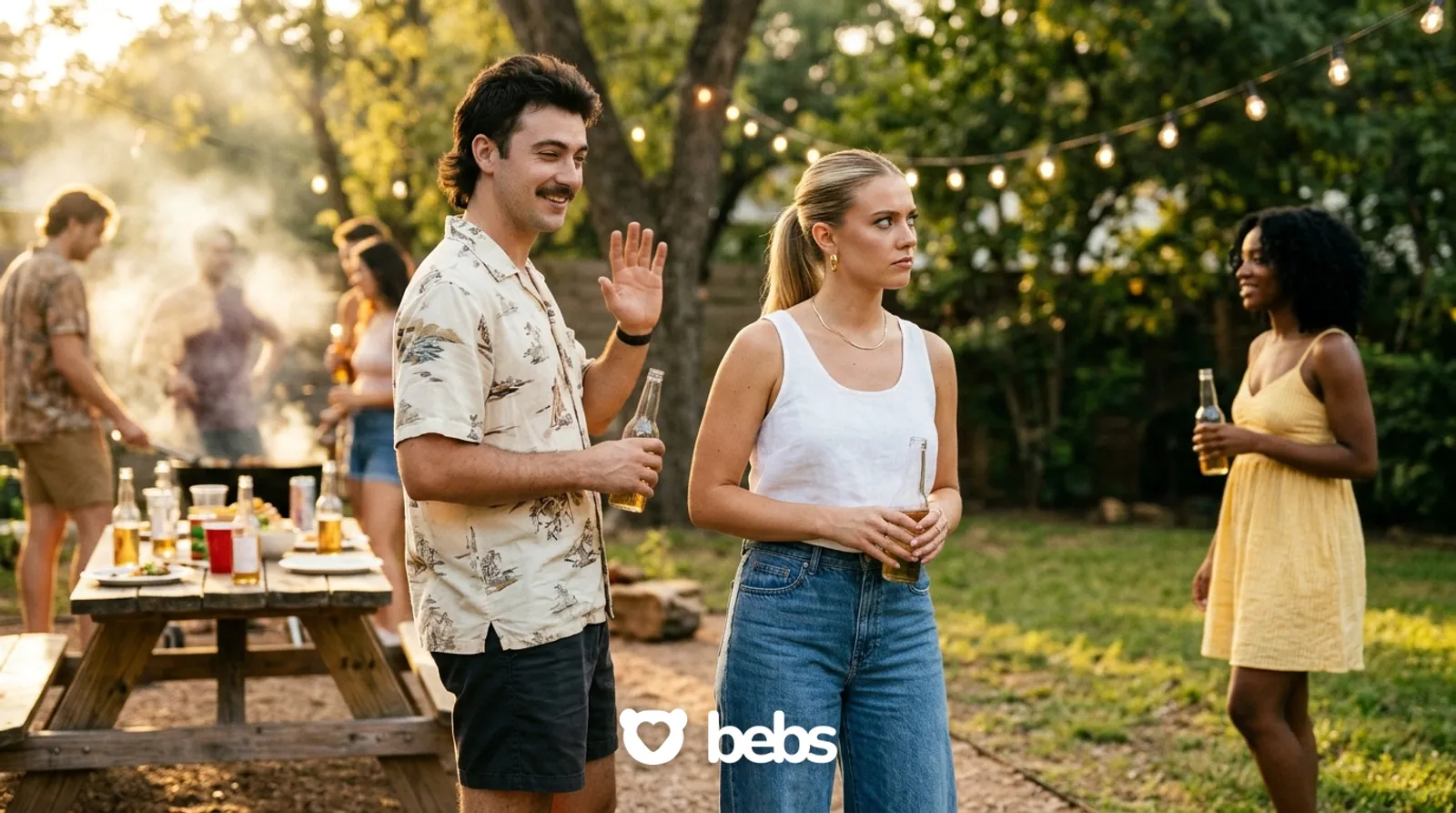
Content
Your friend reads your texts and says, "Oh, he's cushioning." Someone on TikTok calls their ex a classic case of ghostlighting. Your group chat is debating whether grim-keeping is romantic or just bleak. Dating language moves fast, and every few months there's a new word for something you've definitely experienced but never had a name for. Here are the new dating terms of 2026: what each one means, what it looks like in real life and whether it's a red flag, a green flag or just a vibe.
Why do we keep inventing these words? Because dating has gotten more complicated, and naming a pattern makes it easier to spot. Once you know what "monkey-barring" means, you stop wondering if you're imagining it. Most of these terms describe behavior that happens over text and apps, which is exactly why the Bebs dating app is built around getting off the chat and meeting in person, where it's much harder to cushion, ghostlight or kittenfish anyone.
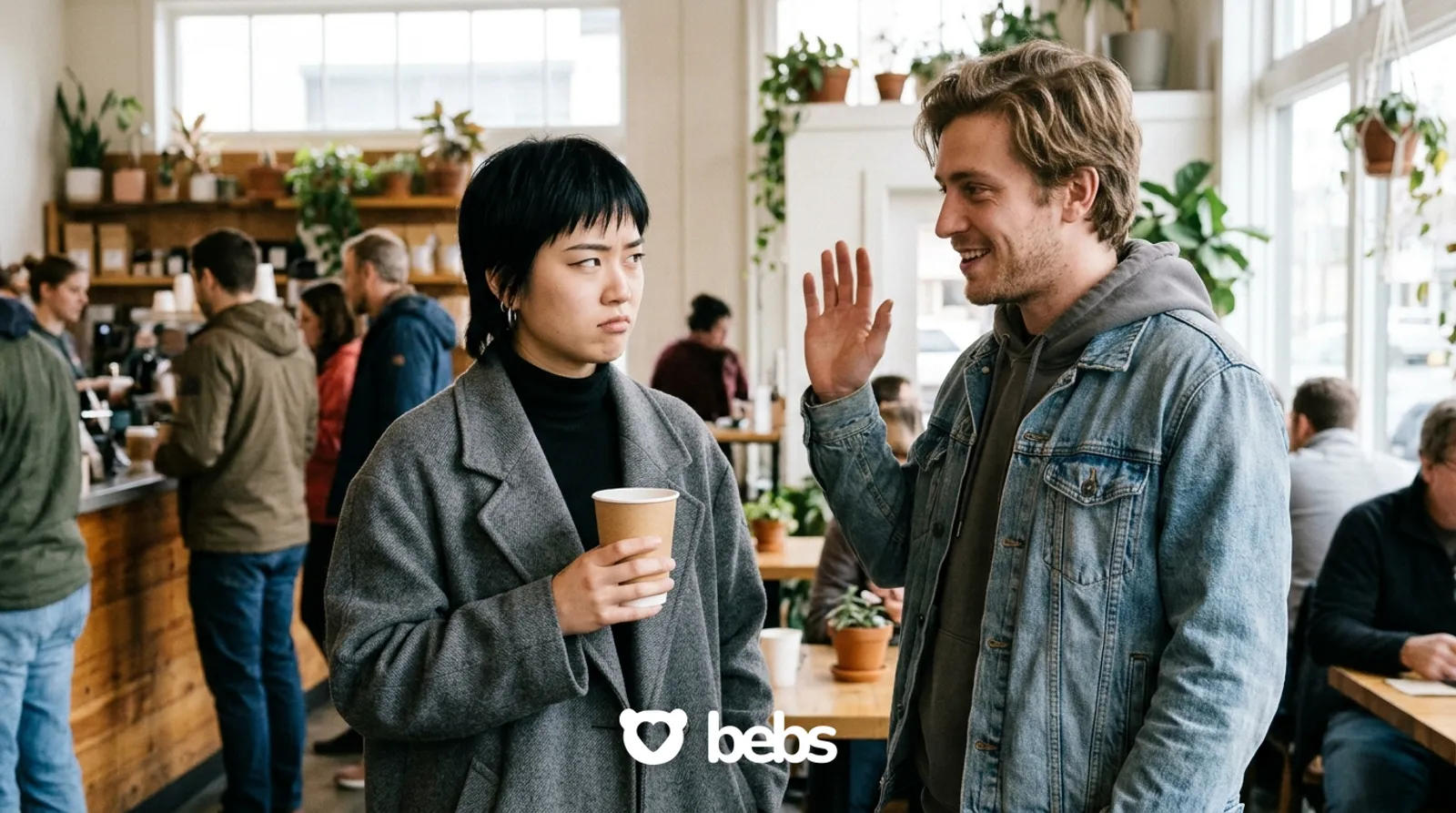
Cushioning: what it means in dating
Cushioning is when someone in a relationship, or close to one, keeps backup romantic options around "just in case" things don't work out. They might keep flirting with an ex, stay active on dating apps or keep a few warm conversations going on the side. Nothing official happens, but the cushions are there to soften the fall if the main relationship ends.
Is cushioning cheating? It depends on what you agreed to. If you're exclusive, keeping romantic backups is a breach of trust, even if nothing physical happens. Signs of the cushioning dating trend include a partner who's secretive about their phone, still very active on apps or oddly defensive about "just friends" they flirt with.
Ghostlighting: ghosting meets gaslighting
Ghostlighting is when someone ghosts you, then comes back acting like nothing happened and makes you feel unreasonable for being upset. It blends ghosting with gaslighting. "I didn't disappear, I was just busy" after three weeks of silence is the classic line. What makes ghostlighting worse than regular ghosting is the second step: instead of an apology, you get a rewrite of what happened.
If you notice it, trust your own memory. You're allowed to say, "You did go quiet for three weeks, and it bothered me." How they respond tells you everything.
Soft-ghosting: the reply that isn't a reply
Soft-ghosting is when someone responds to your messages with a heart or a like but never actually writes back. They haven't disappeared, technically. They just stop engaging. It's one of the most common new dating terms like ghosting, and often the first step before someone fades out completely. If every message gets a reaction and nothing more, it's usually a sign of low interest.
Grim-keeping: bonding over what you both hate
Grim-keeping is when two people connect romantically over shared dislikes, pet peeves and the darker, pettier side of life, instead of shared hobbies. Think bonding over hating the same TV finale, the same tourist trap or the same kind of person at the gym. The name is a play on "gatekeeping," and the grim-keeping dating trend has been everywhere in Gen Z dating talk this year.
Is it healthy? A little shared hating can be funny and genuinely bonding, because it shows you have the same sense of humor and the same values. But if the whole connection runs on negativity, it's worth asking what you actually like doing together.

Chalance: the opposite of nonchalant
Dating with chalance means being openly interested: saying you like someone, texting back with enthusiasm and making plans without pretending you don't care. It's the playful opposite of "nonchalant," the Gen Z ideal of acting unbothered. After years of everyone trying to seem chill, being chalant is having a moment, and honestly, it's refreshing. If someone tells you they had a great time and asks when they can see you again, that's chalance, and it's a green flag.
Monkey-barring: never letting go of one before grabbing the next
Monkey-barring is when someone can't let go of one relationship before grabbing onto the next, swinging from partner to partner without ever being single. You might notice it when a new match is still clearly entangled with an ex, or when someone's relationship history has zero gaps. The risk for you is being someone's next bar while they're still holding the last one.
Dry dating: what it means in a relationship
Dry dating means going on dates without alcohol. Instead of drinks at a bar, it's coffee, a walk, a pottery class or a morning at a farmers market. More people are choosing it for their health, for clearer first impressions or simply because they don't drink. The upside: you actually remember the conversation, and you see the real person, not the two-cocktail version.
Hardballing: saying what you want from day one
Hardballing means being upfront from the very beginning about what you want and don't want in dating. "I'm looking for something serious" or "I don't want kids" on date one, or even in your profile. It can feel intense, but the hardballing dating trend saves everyone a lot of time and situationships. The key is saying it clearly but kindly, as information, not as an ultimatum.
Kittenfishing: catfishing's softer cousin
Kittenfishing is presenting a slightly upgraded version of yourself online: old photos, flattering angles, an extra inch of height or a hobby you tried once. It's not a fake identity like catfishing, but it does set up a small letdown when you meet. Most people kittenfish a little without meaning to. The fix is easy: use recent photos and describe your real life, because the person who likes the real you is the one you want to meet.
Zombieing: when a ghost comes back
Zombieing is when someone who ghosted you suddenly reappears, usually with a casual "hey stranger" as if no time has passed. Unlike ghostlighting, they don't necessarily deny the disappearance, they just skip over it. Whether you reply is up to you, but it's fair to ask what changed before you pick things back up.
Groundhogging: dating the same type on repeat
Groundhogging is dating the same type of person over and over, even though it keeps ending the same way. Named after the movie Groundhog Day, it's the reason your last three exes feel weirdly interchangeable. Breaking the loop usually means changing where you meet people and giving a chance to someone who isn't your usual type.
The 3-3-3 rule in dating
The 3-3-3 rule in dating means checking in with yourself at three moments: after three dates, after three weeks and after three months. After three dates, ask if you want to keep seeing them. After three weeks, ask if you feel safe and like yourself around them. After three months, ask if your goals and values line up. It's less a rule than a reminder to pause before you're too deep to see clearly.
The 37% rule in dating
The 37% rule comes from a math problem about optimal choices: spend the first 37% of your search exploring without committing, then choose the next option that's better than everyone before. In dating, people use it half-jokingly to explain why it's normal to date around in your early twenties before settling down. It's a fun thought experiment, not a life plan.
Dating Wrapped: the year-end trend
Dating Wrapped is a TikTok trend where people sum up their love life for the year, month by month, in the style of a music streaming recap. The funniest versions are brutally honest: twelve months labeled "single," or a different situationship every season. It's a self-aware, very Gen Z way to laugh at a messy year of dating, and it usually peaks in December.

Why these new dating terms matter
Knowing the words helps you spot patterns faster and talk about what you want more clearly. Notice that most of these terms describe something that happens on a screen: backup chats, likes instead of replies, polished photos, people disappearing and reappearing. The healthiest ones, chalance, hardballing and dry dating, all point the same way: be honest, be interested and meet in real life.
That's the idea behind the Bebs dating app. Take a compatibility test to see where you really match, then book a table at Olive Garden or Red Lobster right from the chat, or find an event nearby and grab tickets in a few taps. For the classics like ghosting, breadcrumbing and situationships, see our full guide to Gen Z dating slang.
Less decoding, more real dates
The Bebs dating app is built for meeting in real life. Take compatibility tests, find events near you and book a first date right from the chat.
FAQ
What are the newest dating terms in 2026?
What does cushioning mean in dating?
How do you avoid dating app games like cushioning and soft-ghosting?


4.6on App Store
4.6on App Store
Live. Don't wait.
Download Bebs and stop putting real life off for later.
Latest Blogs

First Date Questions: What to Ask to Really Get to Know Someone
The right question can turn an awkward first date into a three-hour conversation. Here are 75 first date questions, from fun icebreakers to deeper ones, and how to ask them without it feeling like an interview.
What Is the Talking Stage? Meaning, Timeline and How to Get Out of It
Good morning texts, memes at 2 a.m., zero plans to actually meet? Here is what the talking stage really is, how long it should last and how to move it off your phone before it fizzles out.
Infatuation vs Love: How to Know Which One You're Feeling
You can't stop thinking about them, but is it love or just infatuation? A clear, honest look at the difference, how long infatuation lasts and how to tell what you're really feeling.